
Wendy@casenl-china.com +86-18924813070 +86-18033206107
English 

Author: Site Editor Publish Time: 2026-04-30 Origin: Site
The concept of the "home" has undergone a radical transformation over the last decade. It is no longer just a physical shelter but has evolved into a dynamic, responsive environment that adapts to the needs of its inhabitants. At the heart of this revolution is the integration of intelligent control systems. Choosing a high-quality smart switch is the fundamental first step for any homeowner or developer looking to bridge the gap between traditional electrical infrastructure and the convenience of the digital age.
Beyond simple on/off functionality, modern smart controls offer a level of energy management, security, and aesthetic harmony that was previously unattainable. This guide explores the essential components of a connected home and how these innovations are redefining interior design and daily utility.

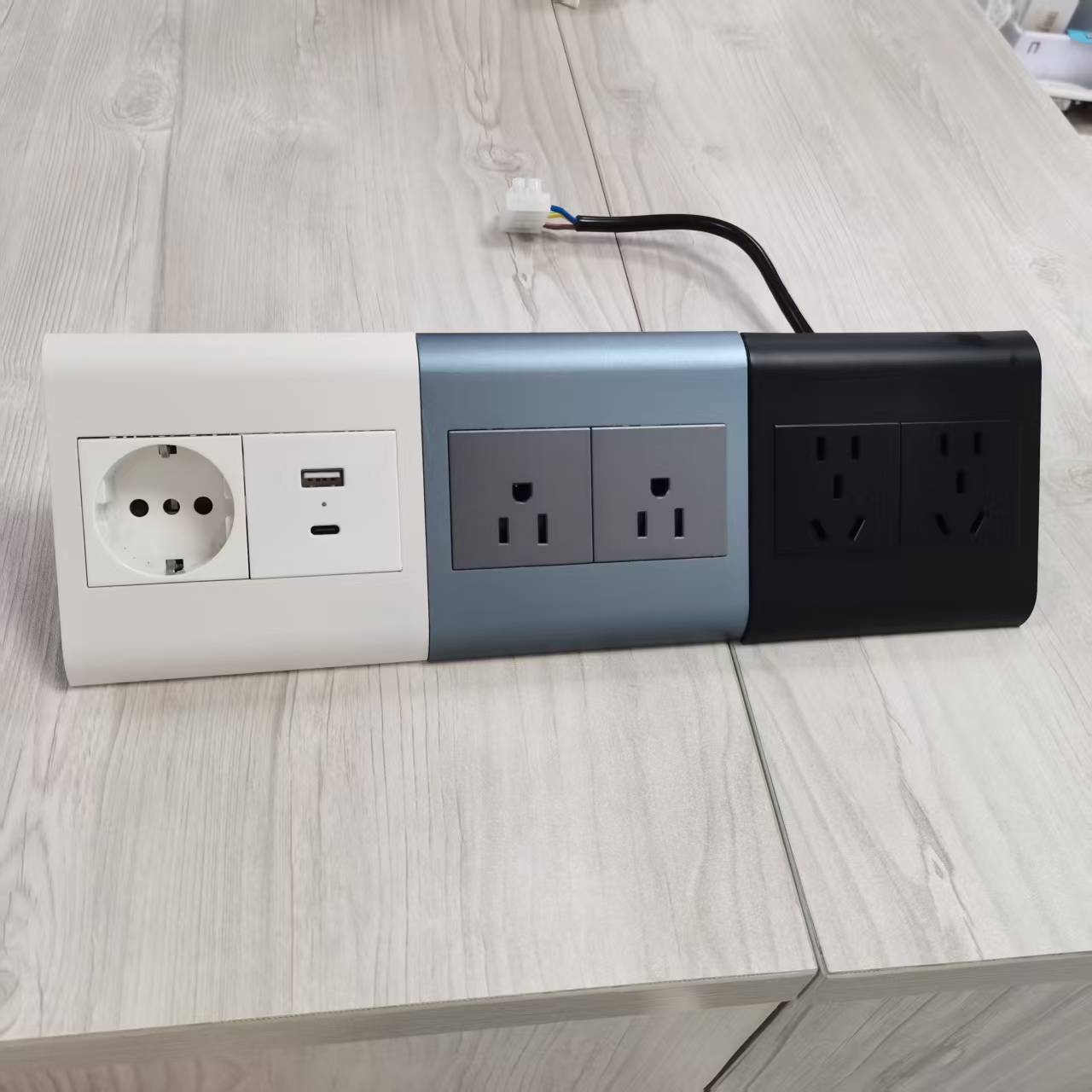
Lighting is the most significant mood-setter in any architectural space. However, managing complex lighting layers—from ambient recessed lights to task-focused pendants—can be cumbersome with traditional toggles. The introduction of the Smart WallSwitch has simplified this process by allowing users to program "scenes."
With a single touch or a voice command, a user can transition a living room from a bright, productive workspace to a dimmed, cinematic environment. Furthermore, these switches are designed with a focus on tactile feedback and minimalist aesthetics, ensuring they complement modern interior styles like Nordic or Industrial-chic. Because they utilize advanced protocols such as Zigbee or Wi-Fi, they provide a stable connection that ensures your home remains responsive even when the local network is under heavy load.
One of the greatest challenges in modern interior design is managing "visual clutter," particularly the tangle of cords and bulky power strips in kitchens and home offices. The solution lies in integrating power directly into the furniture and cabinetry. A Smart Pop-up Socket offers a sophisticated way to provide power only when it is needed.
These motorized or semi-automatic units remain flush with the countertop or desk surface when idle, protecting the electrical contacts from spills or dust. When activated, they rise to reveal a combination of standard AC outlets, USB-A, and USB-C fast-charging ports. This "invisible" utility is particularly popular in luxury kitchen islands and corporate conference tables, where clean lines and functional efficiency are paramount.


To assist developers and homeowners in selecting the right components for their projects, the following table compares the key features of the most common power solutions available in the market.
| Module Type | Intelligence Level | Primary Benefit | Typical Application |
| Mechanical Toggle | Basic (Non-smart) | Reliability and low cost | Storage rooms, Garages |
| Intelligent Module | Advanced (IoT) | Remote App & Voice control | Living rooms, Master bedrooms |
| Touch Glass Panel | Premium | Sleek, modern aesthetic | Luxury suites, Hotel lobbies |
| Motorized Unit | High Utility | Space-saving and safety | Kitchen islands, Office desks |
| Integrated Dimmer | Task-specific | Variable brightness control | Dining areas, Home theaters |
A smart home is a safer home. Intelligent switches allow for "vacation mode" programming, where lights turn on and off at irregular intervals to simulate occupancy while the family is away. This proactive security measure is far more effective than a simple static timer.
From an energy perspective, the ability to monitor real-time power consumption through a centralized app helps residents identify energy-draining appliances. Many smart modules can be set to automatically cut power to "vampire electronics"—devices that draw power even when turned off—further reducing the household's carbon footprint and monthly utility bills.
While the benefits of upgrading are clear, compatibility remains a key consideration. Most modern smart modules are designed to fit standard back-boxes, making them ideal for both new constructions and retrofitting older properties. However, it is essential to verify if your home’s wiring includes a "Neutral" wire, as some smart modules require it for constant power, while others are designed for "No Neutral" configurations.
Furthermore, ensuring that your devices are compatible with major ecosystems like Amazon Alexa, Google Assistant, or Apple HomeKit ensures a seamless user experience. A unified ecosystem allows for cross-device automation, such as having the hallway lights turn on automatically when the smart lock is engaged after sunset.
The transition to an automated home is no longer a futuristic luxury; it is a practical upgrade for the modern lifestyle. By starting with a versatile smart switch for lighting control and incorporating specialized hardware like a Smart WallSwitch or a discreet Smart Pop-up Socket, you create a living space that is as intelligent as it is beautiful. These small changes in electrical infrastructure yield significant returns in comfort, safety, and long-term property value.


