
Wendy@casenl-china.com +86-18924813070 +86-18033206107
English 

Author: Site Editor Publish Time: 2026-08-31 Origin: Site
Homeowners and installers keep running into the same problem: Wi-Fi based switches flood the network, drop offline, and slow down as more devices join. The fix is a mesh-based protocol built for low-power, high-density smart homes. That's exactly what a Zigbee smart switch offers.
This guide breaks down how these switches work, why the mesh design matters, and what to look for when you buy in bulk. If you're a distributor, contractor, or property developer sourcing switches at scale, you'll find practical advice—plus a look at how Casenl Electrical builds products for exactly these use cases.
Zigbee uses a low-power wireless mesh network. Instead of every switch connecting directly to your router, each device relays signals to its neighbors. The more switches you install, the stronger and more resilient the network becomes.
That design solves several real-world headaches:
No router congestion. Zigbee devices don't clog your Wi-Fi bandwidth, so streaming and video calls stay smooth.
Longer range. Signals hop from device to device, extending coverage across large homes and multi-story buildings.
Lower power draw. Zigbee sips energy, which extends the life of battery-powered accessories and reduces standby consumption.
Faster response. Commands travel across the mesh in milliseconds, so lights react the moment you tap or speak.
For projects with dozens of switches—hotels, apartments, offices—this reliability is the difference between a smooth rollout and a support nightmare.
Many buildings, especially those built before modern wiring standards, don't have a neutral wire at the switch box. That single limitation blocks most smart switches from working, because they need a neutral to stay powered when the lights are off.
A no neutral smart switch solves this without rewiring. It draws a tiny trickle of current through the load, staying online while the lights are off. For retrofit projects, this feature alone can save hours of labor and expensive electrical work per unit.
Casenl Electrical designs switches with these older installations in mind. With over 15 years of manufacturing experience and five national patents, the company builds hardware that fits real buildings—not just ideal ones.
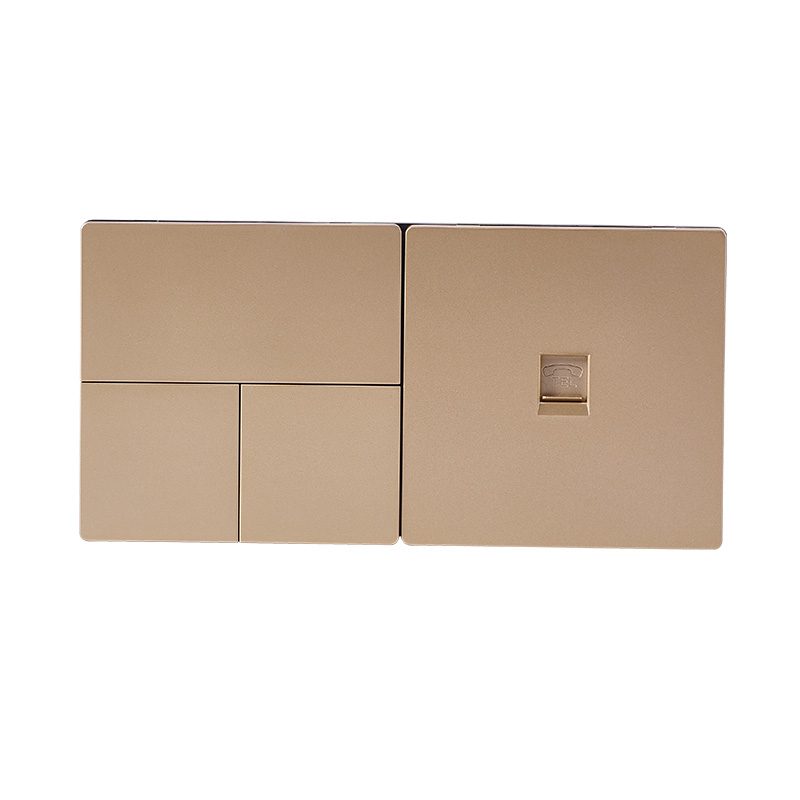


Not every project needs the same switch. Use these quick rules to narrow your choice:
Choose a mesh-based switch if you're installing many units across a large space and reliability is your top priority.
Choose a no-neutral model if you're retrofitting older homes or apartments where rewiring isn't practical.
Choose an app-driven ecosystem switch if your clients want voice control, scheduling, and integration with thousands of compatible devices.
The table below summarizes how the leading options stack up, so you can match the right product to each project.
Feature | Mesh Protocol Switch | Wi-Fi Switch | Retrofit (No-Neutral) Switch |
|---|---|---|---|
Network load | Very low | High | Varies |
Range | Extends via mesh | Limited to router | Extends via mesh |
Power consumption | Low | Moderate to high | Low |
Works in older homes | Yes | Often no | Yes |
Ideal project size | Medium to large | Small | Retrofits of any size |
Response speed | Very fast | Moderate | Fast |
The takeaway is simple. For dense installations and large buildings, mesh-based hardware wins on reliability and speed. For older properties, retrofit-friendly models remove the biggest barrier to adoption.
Hardware matters, but the app your clients use every day shapes their experience. A Tuya smart switch connects to one of the largest smart home ecosystems available, supporting thousands of compatible devices and working with both Alexa and Google Assistant.
That broad compatibility is a strong selling point. Your clients can control lights by voice, set schedules, and automate whole rooms from a single app. For you as a supplier, standardizing on a widely supported ecosystem means fewer compatibility complaints and easier customer support.
Buying switches for a large project is different from grabbing one at a hardware store. Keep these factors front of mind:
Certifications. Look for CE, FCC, and CCC marks. Casenl Electrical products carry these certifications and the company holds ISO9001 quality system certification.
Testing. Ask whether the manufacturer tests every unit. Casenl uses complete testing instruments to help ensure 100% qualified products.
Customization. Custom branding, faceplate finishes, and configurations can set your product line apart. Casenl offers customization to give your product a unique competitive edge.
Track record. A manufacturer with years of focused experience is more likely to deliver consistent quality. Casenl has concentrated solely on switches and sockets since 2008.
The right smart switch depends on the building, the network, and the ecosystem your clients prefer. Mesh-based models bring speed and reliability to large installations. Retrofit-friendly designs unlock older homes that older switches simply can't serve. And a widely supported app ecosystem keeps day-to-day control simple.
If you're sourcing switches in volume, partner with a manufacturer that understands these trade-offs. Casenl Electrical has built switches and sockets for residential, commercial, and industrial projects for more than 15 years. Reach out to the team to request samples and see how the products perform in your own installations.
Do these switches need a hub?
Mesh-protocol switches usually connect through a compatible hub or gateway, which coordinates the network. App-driven ecosystem switches that use Wi-Fi often work without a separate hub. Check each product's requirements before ordering.
Can I install a smart switch in a home without a neutral wire?
Yes. Retrofit models are designed to run without a neutral wire, drawing a small current through the load instead. This makes them ideal for older buildings where rewiring is costly.
Are these switches compatible with voice assistants?
Many are. Switches tied to major app ecosystems typically work with Alexa and Google Assistant, so your clients can control lights and appliances by voice.
How do I order samples from Casenl Electrical?
Casenl encourages buyers to order samples to check product quality before placing a bulk order. Contact the team by email or WhatsApp to arrange samples and discuss customization options.


